Insights
What the resident engineer does on NYC DEP and DDC projects, from daily field oversight and payments to safety, coordination and closeout.
6 min read
SHARE
KEY TAKEAWAYS
The resident engineer, or RE, leads the agency’s field team and is the agency’s voice on site.
The RE’s work falls into five areas: quality, cost, schedule, safety and coordination with the people and utilities around the job.
The best REs think like owners. They protect the City’s interest while keeping the contractor productive and the community informed.
A role defined by trust
When NYC DEP or the NYC Department of Design and Construction builds a water main, a sewer or a reconstructed street, the agency cannot be on every block every day. It relies on a construction management team to act for it in the field. The resident engineer leads that team.
The RE is accountable to the agency for one thing above all: that the City receives what it paid for, built the way the contract requires, with the least disruption to the people who live and work around the job.
Who the resident engineer works with
On a typical street project, the RE sits at the center of five parties, each with its own priorities.
Exhibit 1. The resident engineer is the one person every party on the job deals with

Every party on the job reaches the agency through the RE, which is why one well-run field office keeps the whole project moving.
The five responsibilities
Quality. The RE’s team confirms that the work in the ground matches the contract drawings and specifications. That includes materials, testing, and the record of what was built, which becomes the City’s map of its infrastructure for decades.
Cost. Contractors are paid on measured quantities. The RE’s team measures and records them, reviews payment requisitions, and evaluates requests for extra work and change orders before they reach the agency.
Schedule. The RE tracks progress against the baseline schedule, flags slippage early, and works with the contractor on recovery before a delay becomes a claim.
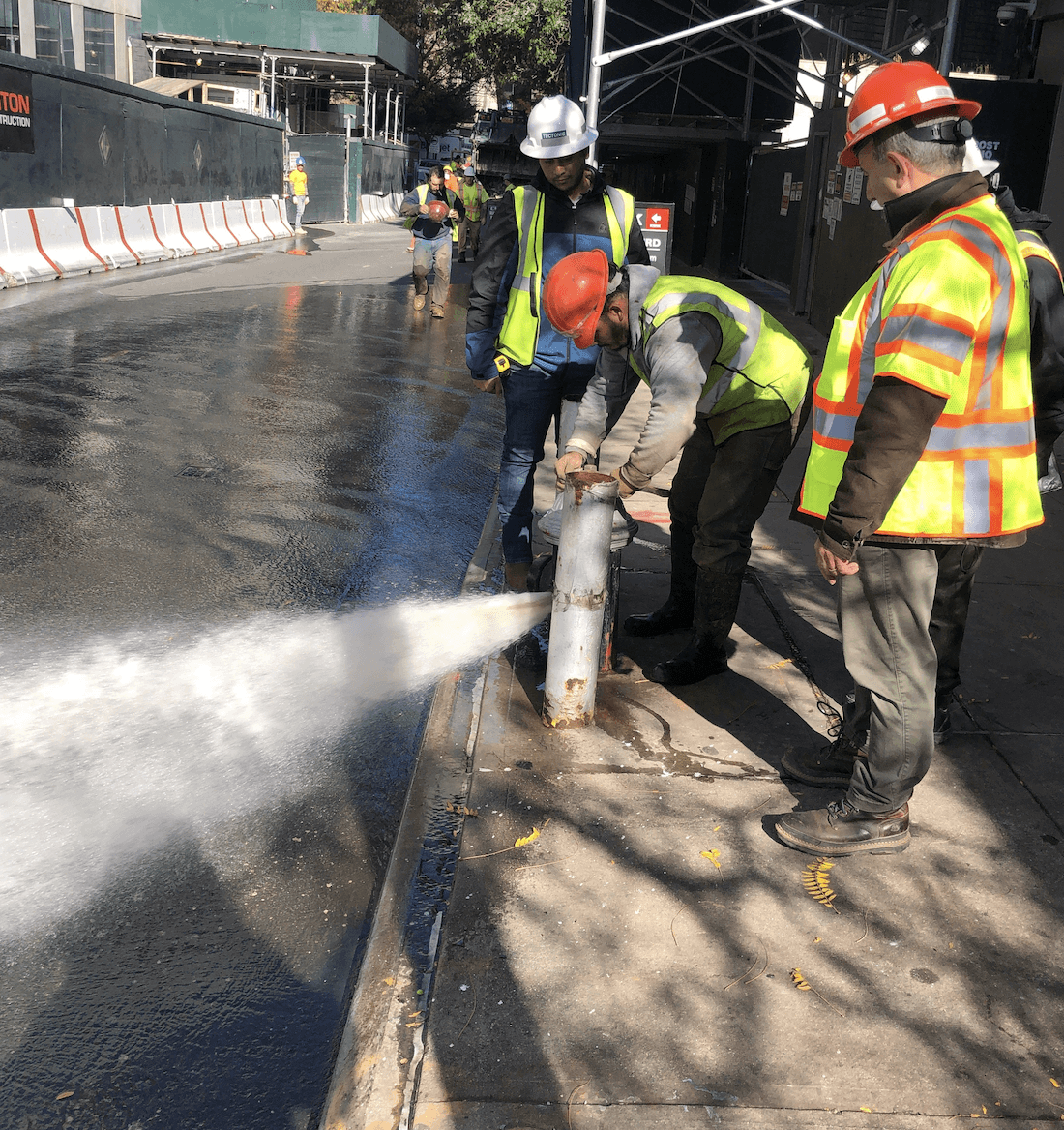
Safety. Open trenches, live traffic and pedestrians share the same street. The RE holds the contractor to the project’s safety and traffic plans and stops work when conditions are unsafe.
Coordination. Utilities under City streets are rarely where the old maps say. The RE coordinates with utility companies and other City agencies when conflicts appear, and with the community through the project’s liaison, so residents and businesses know what is coming.
The RE is accountable for one thing above all: that the City receives what it paid for, with the least disruption to the people around the job.
What separates a strong resident engineer
After 27 years as Director of Construction at NYC DEP and many more as a consultant, I have seen the difference between an RE who records problems and one who prevents them. Three habits stand out.
They read the contract before the contractor does. Most disputes start in the gap between what the drawings show and what the field reveals. A strong RE finds that gap early.
They document every day as if it will be read in a claim. Clear daily reports, photos and quantity records protect the agency and settle disagreements quickly.
They treat the community as a client. A street project lives or dies on the goodwill of the block. Early notice, clean sites and a reachable liaison keep it.
Questions owners ask


Planning a project in New York City?
Talk to SRE